Industry Thought Leadership
-
EV Digital Control Systems: Next Critical Pathway to Distributed Electrical Grids
The purpose of this paper is to focus digital energy technologists on the pressing need to collaborate in developing communications devices and controllers to detect and submeter electric vehicles (EVs), and allow for new types of transactions to take place with EVs, at scale. Essential physical and transactional values must be analyzed, computed, communicated, and understood for different parties to gain control of EV electricity loads, and put them to use in different ways. Detection, metering, and development of related transactional systems for EVs are fundamental to the creation of new energy marketplaces. Individual EVs and fleets of EVs connect to energy and infrastructure systems (buildings and charging stations) in some new and unique ways, allowing for the creation of different communications and controls devices for people to manage energy and conduct related transactions. EVs also represent large enough electrical loads in homes and businesses for a range of market participants to be interested in controlling, managing and transacting with them in different ways.
-
Designing Flexibility Markets: The Next Frontier for Distributed Energy Systems
Throughout history, electric systems have been a one-way street with static loads. Flexibility was a concern for athletes, not grid operators, who’ve long planned based on “worst-case scenarios.” System conditions and generating capacities have been established to satisfy the hottest summer days and the coldest winter months, to help ensure there would always be enough energy to satisfy the demand.
-
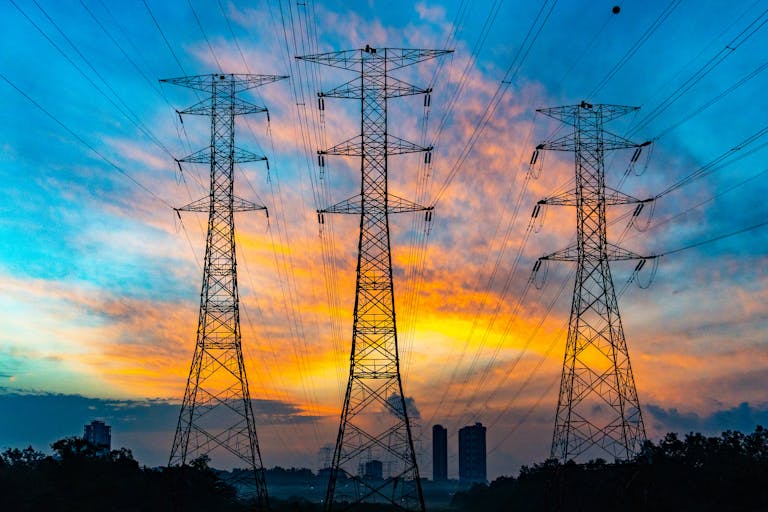
Now More than Ever: The US Needs a Clean, Digital and Resilient Energy System
One of the unfortunate consequences of the jarring coronavirus shutdown has been the delay or pushback by US utilities of many interesting and important innovation initiatives and projects. For years now, we’ve seen increasing waves of progress among utility clients, from Customer Offices bringing the customer-experience perspective to their organizations, to cutting-edge applied R&D projects for the grid, to more recent developments setting up centralized Innovation offices to catalyze exploration of new business models and revenue streams. Much of that progress is now on pause.
-
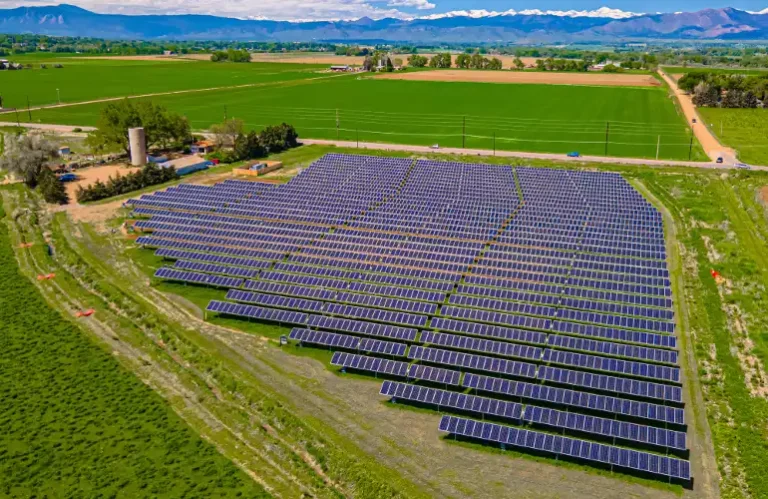
Innovation in Energy & Sustainability: Winning the New Corporate Race to “Net Zero” Emissions
Recent news headlines are ablaze with the latest trends in Sustainability, and not a day goes by without a corporate announcement of a new decarbonization goal or target. The constant thrum of Sustainability ideas, innovations, and achievements, from plummeting solar power prices to Tesla’s ballooning market cap, has bolstered a wave of corporations to act with urgency to make climate pledges. While this feels like a big shift, especially for American companies, it is the next phase of a journey that began roughly 20 years ago, with guidance to measure and publicly report on carbon emissions associated with activities under the direct control of businesses (e.g., operational energy use, refrigerants use, fuels use for operational vehicles, etc.), otherwise known as Scope 1 emissions. The protocol also suggested measurement and reporting of indirect carbon emissions based on energy-sourcing for business operations, known as Scope 2 emissions. Reporting requirements for Scope 2 inspired deeper sensitivity and awareness of the massive carbon implications of the traditional utility grid for businesses.
-
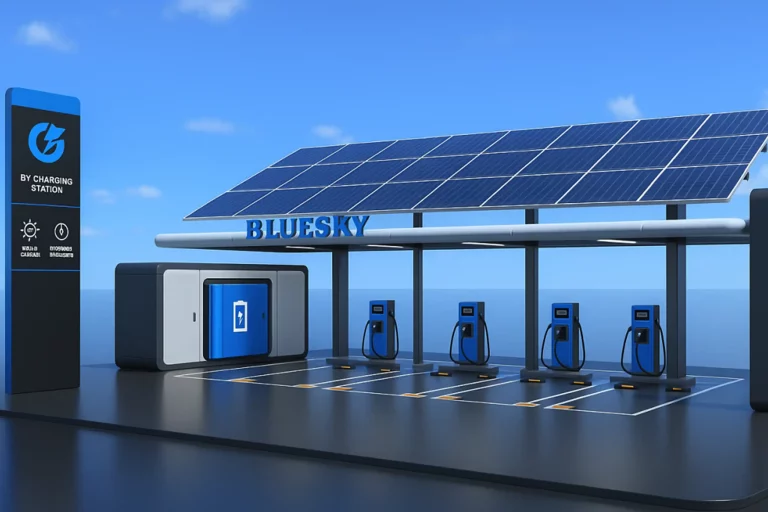
Moving Beyond Electric Vehicle (EV) Hardware: Designing Next-Gen Public Charging Experiences
Electric vehicle adoption and public interest in EVs is surging in the United States. In the race to keep up with demand and set market expectations for the future, automakers have been making near daily announcements about going electric. Several have indicated they will be phasing out internal combustion engines (ICE) completely. General Motors was among the first to commit to making only battery-powered vehicles by 2035. GM later joined Ford, Mercedes-Benz, Volvo, Jaguar, Land Rover and BYD in signing a United Nations Climate Change pledge to end sales of gas and diesel-powered cars worldwide by 2040. The waves of companies making “headliner” commitments are set to continue, as executives contemplate how to align their operations to global decarbonization and sustainability movements.
-
Clearing the Path: Accenture Helps Federal Agencies Strategize and Implement Fleet Electrification Roadmaps
The U.S. Senate made history on August 10 by passing the $1Trillion Bipartisan Infrastructure bill and moving it to the House for final passage. The legislation includes $550 billion in new infrastructure-related spending, including $73B for power grid modernization and $15B for electric vehicles. The figures are significant, even though they pale in comparison to the initial proposals by the administration.